بِسْمِ اللَّهِ الرَّحْمَنِ الرَّحِيمِ
A FREE LEARNING JOURNEY

Introduction to Islam

For new believers, reverts, and anyone curious — a beautiful, patient walk through what Islam is, who Allah is, who the Prophet ﷺ is, and how to begin. Sectarian-neutral. No pressure. From scratch.

Assalamu Alaykum — Peace be upon you

Whether you've taken the shahada this morning, are quietly searching, or are simply curious — you're welcome here. There is no pressure. There is no test. There is only Allah, His Prophet Muhammad ﷺ, His Book, and the journey of returning to a peace that was always meant for you.

This page is built slowly so you can come back to it. There are 9 steps. Read one a day, or read them all in an afternoon. Bookmark it. Share it with someone you love.

— The Sacred Ayat team 🤲

CHAPTER ONE OF NINE

The journey begins

Each step builds on the one before. By the end you'll know who Allah is, who the Prophet ﷺ is, what the Quran says, how to pray your first salah, and what to do next.

01

Who is Allah?

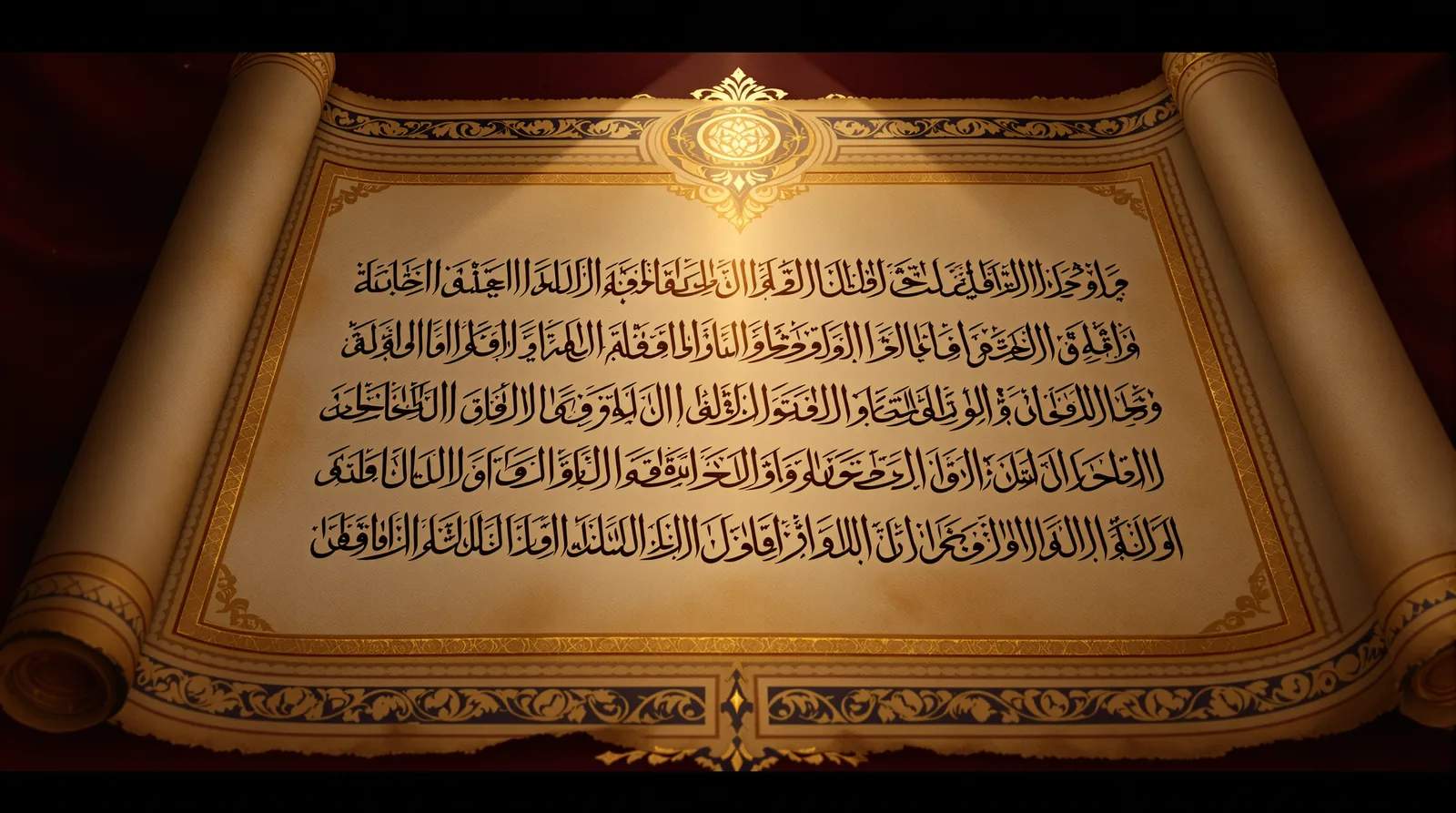
قُلْ هُوَ ٱللَّهُ أَحَدٌ

Allah is the one true God — the same God spoken of by Ibrahim (Abraham), Musa (Moses), Isa (Jesus), and Muhammad ﷺ — peace be upon them all. He is one. He has no partner, no son, no equal. He is the Creator of every atom in every universe, and yet closer to you than your own heartbeat.

The shortest description of Him is in the Quran itself, in Surah Al-Ikhlas (the four-verse chapter known as "Sincerity"):

Read the 99 Names of Allah →
The 99 Names of Allah
02

Who is the Prophet Muhammad ﷺ?

مُحَمَّدٌ رَسُولُ اللَّهِ

Muhammad (peace and blessings be upon him) was born in Makkah, in the Arabian Peninsula, around the year 570 CE. He was orphaned young, raised by his uncle, and known throughout his community as Al-Amīn — "The Trustworthy" — long before he received any revelation.

At the age of forty, while in retreat in the cave of Hira above Makkah, the angel Jibril (Gabriel) appeared to him with the very first command of the Quran: Iqra — "Read."

For the next 23 years, the Quran was revealed to him in pieces. He never claimed divinity. He claimed only to be a man, sent as a final messenger, in a long line of prophets before him.

Read about the first revelation →
IQRA — the first word
03

What is the Quran?

ٱلْقُرْآنُ ٱلْكَرِيمُ

The Quran is the literal word of Allah, revealed to the Prophet Muhammad ﷺ in the Arabic language, preserved unchanged for over 1,400 years. Not Muhammad's own thoughts. Not a Bible-like compilation. The exact speech of Allah, dictated word for word.

It contains 114 chapters (called surahs) and 6,236 verses (called ayahs). The shortest chapter is 3 verses; the longest is 286.

It has been memorised in its entirety, letter for letter, by millions of Muslims across every century — the only book in human history to be preserved this way.

A wonder of the Quran →
The Quran
04

The Five Pillars of Islam

أَرْكَانُ الْإِسْلَامِ

Islam stands on five pillars. They are the practices that, taken together, make a Muslim's life a Muslim life:

Read each pillar in depth →
The Five Pillars
05

How to perform your first prayer

وَأَقِيمُوا الصَّلَاةَ

The five daily prayers (Salah) anchor a Muslim's life around Allah. They are: Fajr (dawn), Dhuhr (noon), Asr (afternoon), Maghrib (sunset), and Isha (night).

Your first prayer can feel daunting, but it isn't. The Prophet ﷺ taught the steps slowly to a Bedouin who was learning, and was patient with him. We've built an interactive guide that walks you through every position, every du'a (in Arabic, transliteration, and English meaning), with audio.

Open the interactive prayer guide →
How to pray
06

The Prophets — peace be upon them all

قِصَصُ الْأَنْبِيَاءِ

The Quran tells the stories of the prophets sent across human history — Adam, Nuh (Noah), Ibrahim (Abraham), Musa (Moses), Yusuf (Joseph), Isa (Jesus), and many more. They were all human. They all had the same essential message: worship the One God.

Knowing their stories is one of the most beautiful ways to understand Islam — they are not abstract figures, but real lives the Quran preserves with deep emotion.

All prophet stories →
The Prophets
07

What happens after death?

ٱلْحَيَاةُ ٱلْآخِرَةُ

Islam teaches that this life is short — a brief test before an eternal life that follows. When we die, the soul passes through stages: the questioning in the grave, the barzakh (intermediate realm), the resurrection, the Day of Judgement, and the eternal life that follows in either Paradise or hellfire.

The reason behind this teaching is mercy. Allah is more merciful to His servants than a mother is to her child (Bukhari 5999). The afterlife is not a threat — it is the answer to every injustice that ever went unpunished, and the reward for every kindness that went unseen.

Read the journey of the soul →
The afterlife
08

Daily du'as & remembrance

ٱلْأَذْكَارُ ٱلْيَوْمِيَّةُ

Beyond the five prayers, Islam encourages a quiet, constant remembrance of Allah throughout the day. The Prophet ﷺ taught short, beautiful du'as for waking up, leaving the house, eating, sleeping — every moment.

Two collections matter most:

We've built these into the app with tap-to-count counters so you can build the habit gently.

Open daily azkar →
Ayat al-Kursi
09

Find your community

ٱلْأُمَّةُ ٱلْإِسْلَامِيَّةُ

Islam is a religion of community (ummah). The Prophet ﷺ said the believers in their love and mercy for one another are like one body — when one part suffers, the whole body responds with sleeplessness and fever (Bukhari 6011).

Find a local mosque. Visit on a Friday — the weekly congregational prayer (Jumu'ah) at noon is the easiest entry. Don't worry about doing things wrong. Most mosques are warm to visitors and patient with new Muslims.

Open the app →
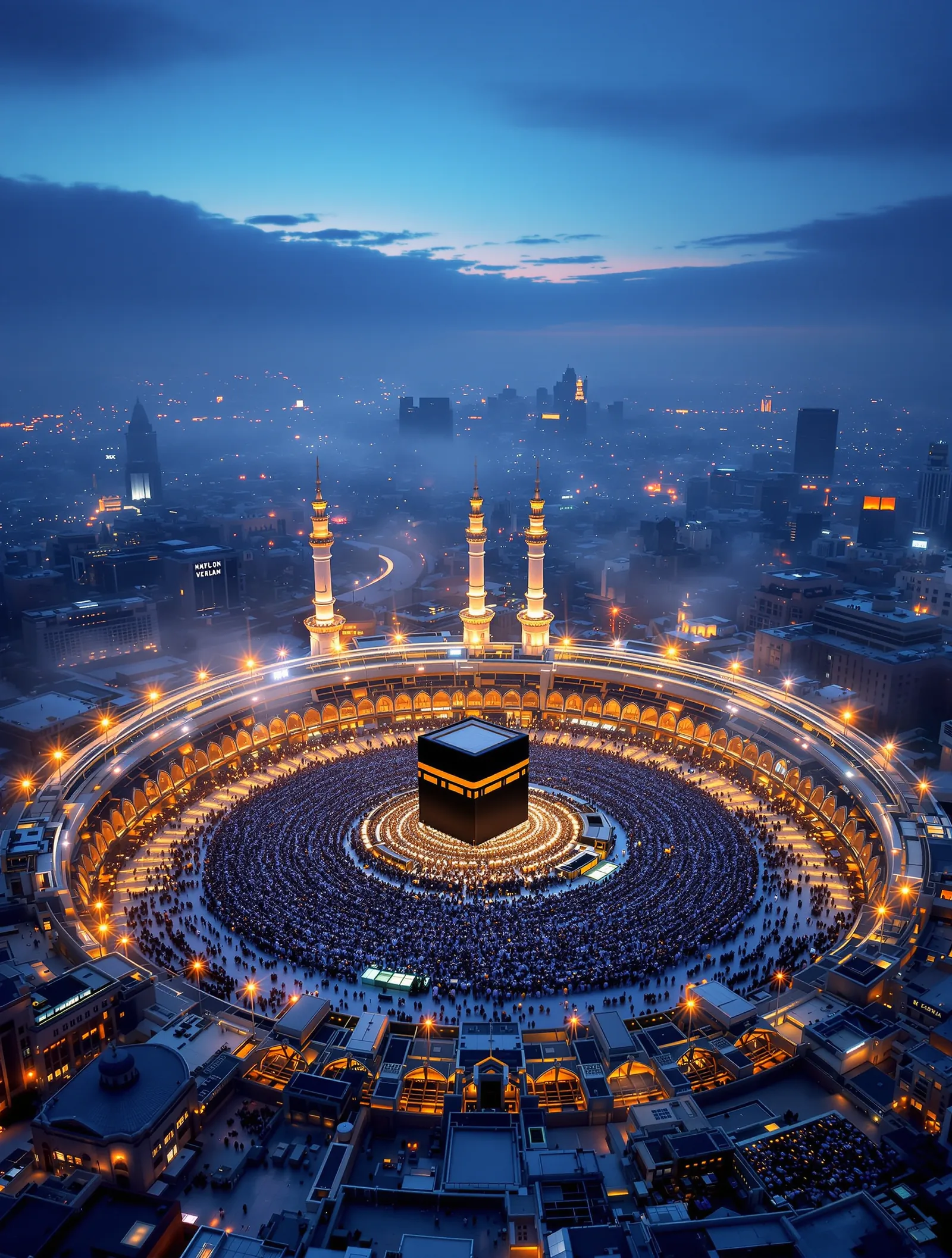
The Kaaba

Three du'as to start with today

Beautiful short prayers from the Prophet ﷺ for any moment.

When you wake up
ٱلْحَمْدُ لِلَّهِ ٱلَّذِي أَحْيَانَا بَعْدَ مَا أَمَاتَنَا وَإِلَيْهِ ٱلنُّشُورُ
Al-ḥamdu li-Llāh illadhī aḥyānā baʿda mā amātanā, wa ilayhi n-nushūr.
"All praise is for Allah who gave us life after taking it from us, and to Him is the resurrection." — Bukhari 6312
When something amazes you
سُبْحَانَ اللَّهِ
SubḥānAllāh
"Glory be to Allah." — said for any moment of awe, beauty, or gratitude.
When you receive any blessing
ٱلْحَمْدُ لِلَّهِ
Al-ḥamdu li-Llāh
"All praise is for Allah." — for any gift, large or small. Said throughout the day, every day.

Open the full azkar collection →

🌙

If you're ready to take the shahada

The shahada is the testimony of faith. Saying it sincerely, with belief in your heart, is the moment a person becomes a Muslim. There is no formal ceremony required — though many revert to Islam in the presence of a community at a mosque, that is a comfort, not a requirement.

The shahada in Arabic is two short statements:

أَشْهَدُ أَنْ لَا إِلَهَ إِلَّا اللَّهُ
Ashhadu an lā ilāha illa-Llāh
"I bear witness that there is no god but Allah."
وَأَشْهَدُ أَنَّ مُحَمَّدًا رَسُولُ ٱللَّهِ
Wa ashhadu anna Muḥammadan rasūlu-Llāh
"And I bear witness that Muhammad ﷺ is the messenger of Allah."

If you've said this, with belief in your heart, you are now a Muslim. Welcome home — your past is forgiven, completely. Make a habit of finding a mosque if you can, learning to pray, and surrounding yourself with kind Muslims who will be patient with you.

May Allah ﷻ make every step easy for you. 🤲

Watch the Sacred Ayat library

Sixty-second cinematic stories from the Holy Quran. New stories daily on the channel.

Loading…

▶ Subscribe on YouTube

Want more?

Sacred Ayat is the calm, ad-free Islamic app you wish your phone had. Prayer times, Qibla, the full Quran, daily azkar, mosques nearby, kids' games, and verse-to-cinematic-video. Free.

Install the free app →